Entering the open source community for the first time can be daunting yet incredibly rewarding. Recognizing this challenge, rOpenSci received funding from NumFOCUS to launch initiatives aimed at lessening the hurdles that first-time contributors face. Building an open-source community isn't just about technology; it’s about creating a welcoming environment where newcomers feel they belong.
Initiatives to Engage New Contributors
With support from NumFOCUS, rOpenSci designed two engaging event formats: mini-translathons and mini-hackathons. These formats do more than just invite participation; they focus on mentorship and hands-on experiences, fostering an inclusive environment for skill development. Open source is built on collaboration and inclusivity, and these initiatives aim to reinforce those values by providing a supportive platform for newcomers.
Exploring Mini-Translathons
A mini-translathon is structured as a live, collaborative session emphasizing translation and localization efforts. Participants focus on enhancing the quality of translations for documentation and resources, often collaborating in language-specific groups. This setup not only improves the accessibility of information but also strengthens community ties through shared purpose. Mentors provide guidance, enabling participants to familiarize themselves with translation workflows and tools. They fill knowledge gaps that often keep new contributors at bay.
For example, we hosted a mini-translathon alongside a Portuguese Community Call, aimed at enhancing the outreach and accessibility of the content. This kind of focused work is smart; it collects the language expertise of attendees and fosters a sense of accomplishment. The group gathered to prepare for the translathon at LatinR 2024, ensuring that language inclusivity remains a priority for the community. While many overlook the significance of local language support, it’s vital for broadening participation and ensuring that information is accessible to a diverse audience.
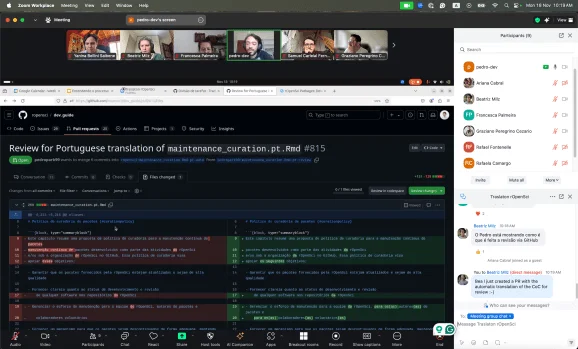
Demonstrating the PR process during the translathon
Facilitating Mini-Hackathons
In a similar vein, mini-hackathons provide a dynamic platform for individuals to engage with open-source software projects. Typically lasting about two hours, these sessions invite participants to tackle small, targeted tasks like bug fixes or documentation updates. This structure can feel more approachable for individuals unfamiliar with open-source projects. Supported by maintainers and mentors, the sessions focus on experiential learning within a collaborative framework. This isn’t just another coding session; it’s a crash course on what it means to contribute meaningfully to a project.
We also paired mini-hackathons with an English Community Call, creating a continuous learning experience that bolsters prospective contributors. Participants engage directly with community members, enhancing their skills in real-time while contributing meaningfully to ongoing projects. The interaction cultivates an informal learning environment that is essential for newcomers – they can ask questions freely, learn by doing, and receive immediate feedback. If you're working in this space, you'll recognize the unique value of real-time collaboration and guidance.
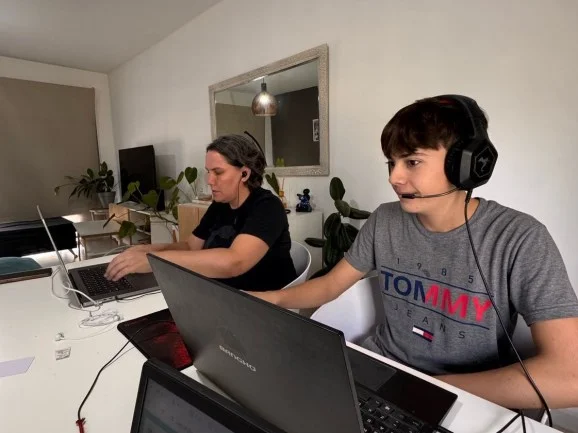
Yani and Juan Cruz participate in the mini-hackathon together
Creating a Guide for Future Organizers
The grant funding was pivotal not only in arranging events but also in documenting our processes. This led to the creation of a comprehensive guidebook, titled “From User to Contributor: Organizing Events for First-Time Contributors.” This guide not only serves as a handbook for current and future event organizers but also as a manifesto for how to support new contributors effectively. In this guide, we delve into the significance of supporting new contributors and outline our approach to organizing successful events. There’s an urgent need for these resources; many organizations underestimate how challenging it can be for newcomers to navigate the complexities of contributing.
Sections of the guide cover essential topics such as timelines, community calls, and practical insights for executing mini-translathons and mini-hackathons. We've also included appendices with templates and communication examples to aid future organizers. Creating a standardized approach ensures that new contributors have access to a welcoming environment and can engage easily with minimal intimidation.
Aiming for Broader Impact
We aspire for this guide to benefit communities beyond rOpenSci, encouraging others to arrange similar events that welcome newcomers into the open-source world. And this is the part most people overlook: the ripple effect of creating a welcoming environment can transform the capacity of open-source communities at large. If you implement strategies from this guide, we’d love to hear your success stories! Sharing experiences can lead to even more refined practices and can inspire others to take part in similar efforts.
Our gratitude extends to NumFOCUS for their Small Development Grant, which has facilitated this vital work. Such funding doesn’t just support events; it represents a belief in a future where more contributors can find their way into the open-source ecosystem.
-
NumFocus serves as rOpenSci’s fiscal sponsor.
-
Research has identified numerous social barriers that hinder new contributors (Steinmacher et al., 2015).
-
“The R community speaks Portuguese” remains a fundamental aspect of our outreach efforts.