HashiCorp's latest iteration of Consul, version 2.0, significantly advances the platform's service networking capabilities, essential for organizations operating in dynamic infrastructure. At its core, Consul simplifies service discovery, enabling services to be registered and located based on defined identities while enhancing health checks and load balancing to direct traffic only to healthy instances. This emphasis on reliability and performance comes as organizations increasingly adopt microservices architectures, where the ability to scale services seamlessly is paramount. Consul's updates respond directly to the changing needs of businesses striving to navigate increasingly complex digital transformations.
Key Enhancements in Consul 2.0
This release features a suite of enhancements aimed at improving flexibility and operational efficiency across multi-platform environments. These include:
Support for multi-port services in the Consul service mesh on Kubernetes
Integration with CyberArk Workload Identity Manager as an external certificate authority
A global rate limiter for RPC traffic
Improved API Gateway auto-scaling and performance
Together, these improvements build upon Consul's foundational strengths, setting the stage for enhanced service connectivity in complex environments. The real challenge is how these enhancements will perform under load, especially in production scenarios.
Multi-Port Service Mesh Support
Consul's service mesh has now introduced multi-port support in its beta release, allowing workloads to communicate over multiple ports simultaneously. Previously, service communication was limited to a single port, complicating deployments for systems like Kafka and Redis that rely on multiple ports for distinct traffic types. In complex systems, this limitation created a bottleneck that could impede performance and increase the potential for errors. This update reduces operational complexities and resource overhead, enabling seamless management of multi-port services. It's a shift likely to be welcomed by developers who need to manage diverse workloads in a unified manner.
CyberArk Workload Identity Manager Integration
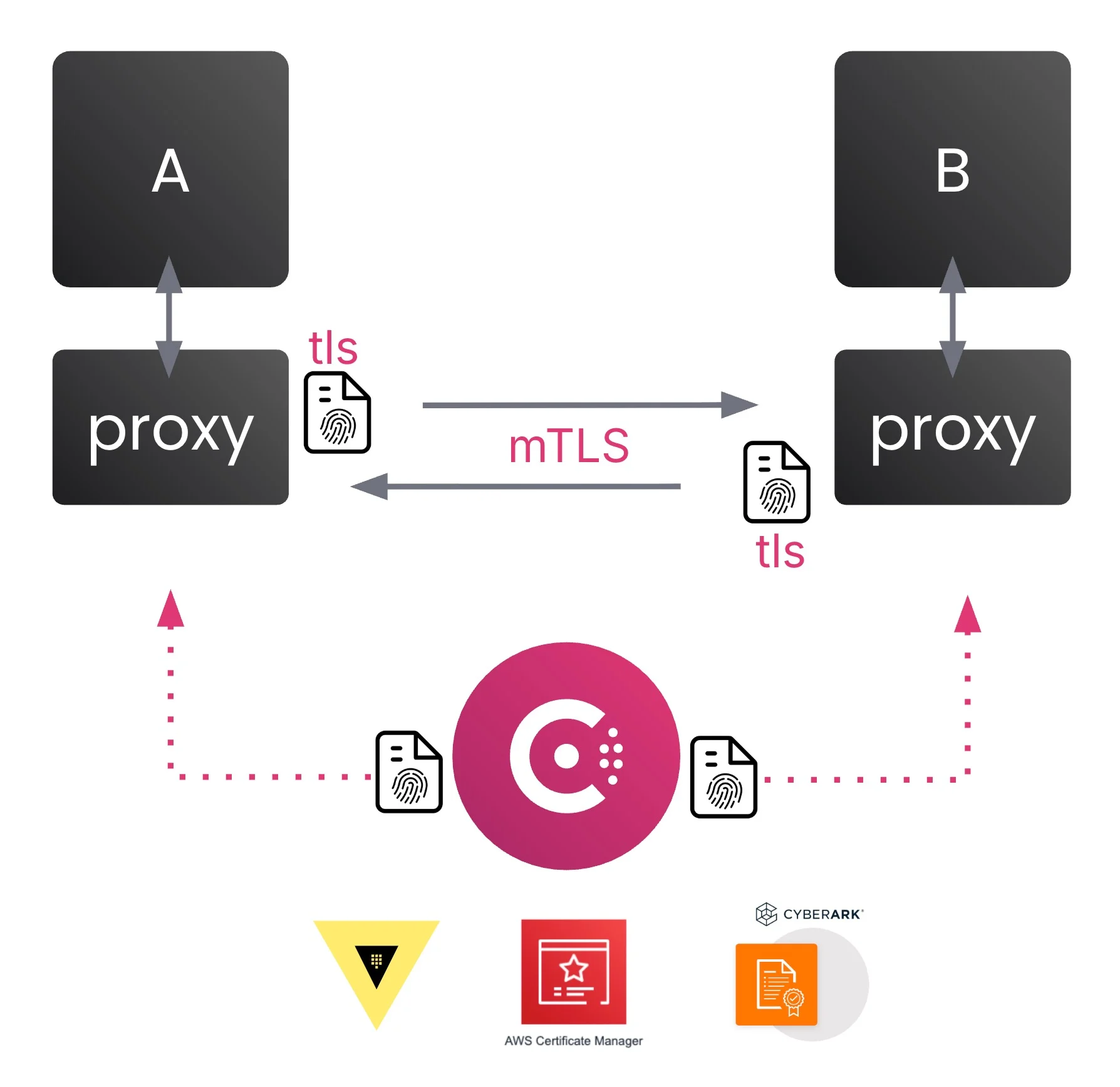
With the 2.0 update, Consul enhances flexibility and security through support for CyberArk Workload Identity Manager as an external certificate authority. By integrating with a well-regarded identity management tool, HashiCorp bolsters Consul's security posture. This development allows for the seamless exchange of TLS certificates between services, facilitating mutual TLS (mTLS) for secure service-to-service communication. While Consul traditionally included an internal certificate authority, the new integration allows users to leverage existing certificate management solutions for compliance and operational oversight, crucial for enterprise environments. What this means for you is a potentially reduced overhead on security management and an improved ability to maintain compliance.
Global Rate Limiting for RPC Traffic
One of the standout features of Consul 2.0 is the introduction of global rate limiting for Remote Procedure Call (RPC) and gRPC traffic. This capability allows operators to set centralized configurations for managing read and write request limits across the cluster. By establishing consistent policies, organizations can mitigate risks associated with overwhelming Consul servers, maintaining service stability during peak loads. This is more significant than it looks; without proper rate limiting, high traffic can lead to degraded performance and ultimately downtime—scenarios that businesses can hardly afford. Properly implemented, this feature has the potential to enhance overall system resilience.
Enhanced API Gateway Scaling
The Consul API gateway has also seen significant upgrades. Previously limited to a maximum of eight instances within a Kubernetes cluster, the new version removes this cap, enabling better performance for high-traffic environments. This flexibility is critical; underestimating required capacity can lead to severe performance bottlenecks. Additionally, the gateway now supports Kubernetes’ Horizontal Pod Autoscaler (HPA), allowing for automatic scaling of the number of instances based on real-time metrics such as CPU and memory usage. This reduces manual overhead for operators while ensuring optimal performance during fluctuating demand. Operators should appreciate this automation, as it aligns with the broader trend towards greater efficiency in cloud environments.
The latest improvements enhance the overall scalability and efficiency of the Consul platform, ensuring that it meets the growing needs of modern applications. But it remains to be seen how well these features will integrate with existing systems and what that means for adoption rates in the market.
Future Outlook
The enhancements in Consul 2.0 reflect HashiCorp's understanding of market demands and emerging architectural challenges. As microservices become more prevalent, the need for more scalable and secure service connectivity will only grow. The introduction of features like multi-port support and global rate limiting suggests that HashiCorp is positioning Consul not just as a service mesh, but as a critical player in the orchestration of complex cloud-native environments.
If you're working in this space, the upgrades in Consul might present an opportunity for more streamlined operations and better security postures. However, organizations will need to evaluate how these advancements align with their current infrastructure and whether they can capitalize on the new features effectively.
Further Resources on Consul 2.0
For a more comprehensive overview and specific details on the new features, consult the Consul 2.0 release notes. Additionally, HashiCorp offers a variety of tutorials to help users explore the platform’s capabilities, along with options for a free trial of Consul Enterprise to experience the latest features firsthand.