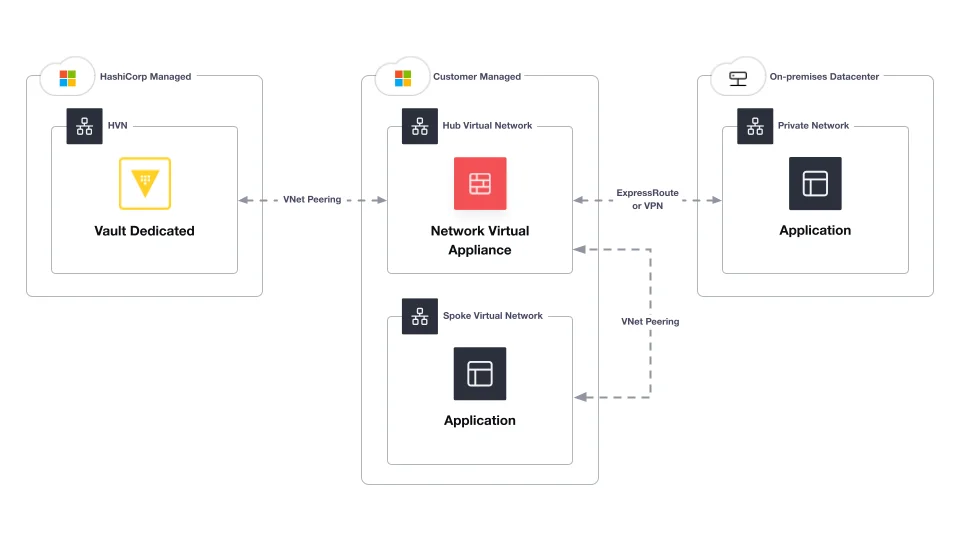
HashiCorp has made Azure hub-and-spoke networking generally available for HCP Vault Dedicated, allowing enterprises to connect Vault directly within centralized Azure network architectures effortlessly. This solution eliminates the need for custom routing and specialized peering arrangements, delivering a more standardized approach for managing networks.
Organizations often face challenges associated with hybrid or multi-cloud environments, particularly when needing a clear separation between product and infrastructure management. These complexities can hinder operational efficiency, leading to increased overhead on resources and diminished response times to network-related incidents. With HCP's support for HashiCorp Virtual Networks (HVNs), customers can tackle these layered issues surrounding security, connectivity, and scalability more effectively, thereby improving their overall operational efficiency.
Enhancing Private Connectivity
The integration of HCP Vault within Azure’s hub-and-spoke model provides dedicated workloads with secure connections to enterprise environments. For organizations operating within a virtual network, this development offers the necessary assurance for managing sensitive information and compliance with various regulatory frameworks, which is an increasingly pressing concern in today’s data-driven world. The private connectivity hub simplifies network routing and security protocols, decreasing the likelihood of misconfigurations that can lead to vulnerabilities.
Furthermore, HCP Vault can interconnect with existing customer networks, such as Amazon Web Services Virtual Private Cloud (AWS VPC) or Microsoft Azure Virtual Network (Azure VNet), ensuring that organizations can employ only secure private communication channels for all operations. This cross-cloud compatibility is invaluable for businesses navigating multi-cloud strategies, increasing flexibility without compromising on security.
Operational Efficiency and Security Consolidation
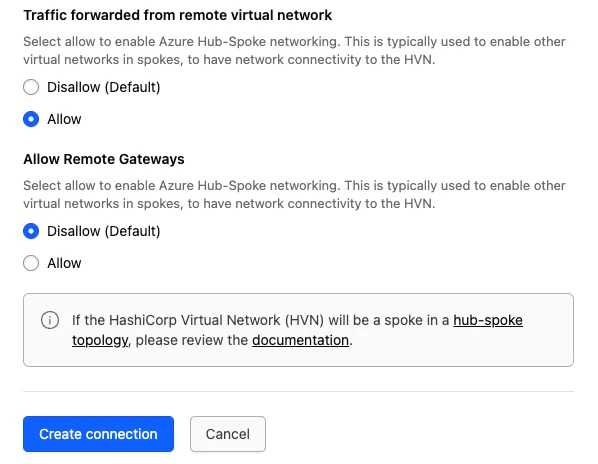
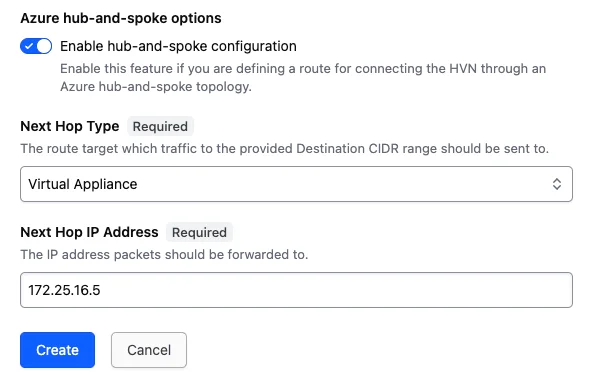
With the general availability of Azure hub-and-spoke, organizations can integrate Vault into their central hub networks, leveraging existing shared services like firewalls, DNS, and routing protocols. This paves the way for more efficient communication between applications and services hosted in different locations. Although standard network configurations remain necessary, it allows Vault to follow the same ingress and egress patterns as other critical services, aligning it with the wider IT infrastructure.
This tighter integration with Azure does more than streamline processes; it allows unique architectural considerations, such as outdated practices or overly complex setups, to become obsolete. Organizations can eliminate cumbersome architecture exceptions that slow down deployments while HashiCorp enables a smoother operational experience. As a result, network architects and IT teams can redirect their focus toward strategic initiatives rather than getting bogged down by routine configuration challenges.
Streamlined Security Management
Implementing HCP Vault within a centralized hub promotes improved network security through unified routing and enhanced policy enforcement. This creates a more fortified perimeter around sensitive data without complicating the underlying infrastructure. Here are a few key benefits:
- Network rules can be set once and applied universally, avoiding replicated configurations for each Vault deployment.
- Security teams can concentrate on reviewing broad patterns and systemic issues, streamlining the approval workflow for network configurations.
- Changes like adding new applications or peers typically won’t necessitate alterations to Vault specifics, easing the administrative burden significantly.
This shift translates to operational enhancements for teams tasked with cloud networking and security operations. Benefits may include:
- Fewer network-related requests per Vault user.
- Reduced need for intricate firewall troubleshooting.
- Quicker incident resolution times.
Strengthening Isolation and Governance
As Vault serves as a Tier 0 security service, the Azure hub-and-spoke model ensures clear isolation boundaries, including controlled spoke-to-spoke communications and centralized logging. This meticulous attention to traffic management is essential, particularly in sectors where data privacy laws are stringent. By situating Vault in a trusted zone with tight traffic control, organizations can mitigate the risks associated with lateral movement and bolster overall traffic management. Good governance isn't just about strict policies; it’s about making those policies actionable.
Scaling with Confidence
By deploying Vault at the hub level, organizations can position it as a shared service across their network. This move eliminates reliance on exceptions or architectural variants, encouraging broader usage within the enterprise. The availability of the hub-and-spoke model means that companies can expand their infrastructure confidently without accruing architectural debt through ad hoc routing or security exceptions.
As organizations refine their Azure cloud models, adopting centralized networking patterns like hub-and-spoke has emerged as vital for ensuring operational efficiency and governance. This new paradigm allows teams to focus on strategic initiatives without getting ensnared in complex configuration and security matters. The enhancements offered by the Azure hub-and-spoke model for HCP Vault Dedicated facilitate this integration into established Azure frameworks, making it easier for organizations to scale their use of Vault uniformly. If you're working in this space, you'll find that these changes can significantly simplify your cloud operations.
Implications and Future Outlook
HashiCorp's move to integrate Azure hub-and-spoke networking with HCP Vault Dedicated represents a fundamental shift in how enterprises can think about security and connectivity. By collapsing traditional barriers to integration, this upgrade not only reduces risks associated with configuration errors but also aligns with broader trends in cloud adoption and hybrid environments. This is more significant than it may seem at first glance: it offers the potential to reshape operational workflows across industries. As enterprises continue to embrace cloud technologies, solutions like this could become pivotal in maintaining agility without compromising security.
For more details on hub-and-spoke options, check out the documentation, as well as the recent general availability of AWS PrivateLink integration for Vault Dedicated.