Learning Python can present a daunting array of topics to tackle. With its diverse applications ranging from web development to data science, you might wonder whether to prioritize web frameworks over data science or if test-driven development is immediately necessary. As software development increasingly incorporates AI assistance, it's vital to focus on the skills that truly matter to prospective employers. This isn’t just about picking a trendy topic; it’s about aligning your learning with market demands.
The Challenge of Learning Python
When people embark on their Python journey, they quickly realize the vastness of the subject. Python’s versatility means you can go in many different directions. Should you dive into Django for web applications? Or would your time be better spent mastering NumPy for data manipulation? The options can feel overwhelming, especially for those just beginning. Without careful planning, you could easily find yourself investing significant effort in areas that won’t enhance your job prospects.
Many beginners face a common issue: aimless exploration. This can lead to frustration when they discover that the skills they focused on aren't what employers prioritize. You might become proficient in Python basics, only to find that deeper knowledge in specific frameworks or libraries is what’s truly sought after. That can feel like a waste of time and energy. And yet, there’s a way to avoid this pitfall.
Course Outcomes
This course is designed with one goal in mind: to help you carve a focused path through the often chaotic world of Python learning. By completing it, participants will:
- Gain insights into the Python skills most sought after by employers. This includes understanding not only the languages and frameworks but also the soft skills and methodologies that teams value.
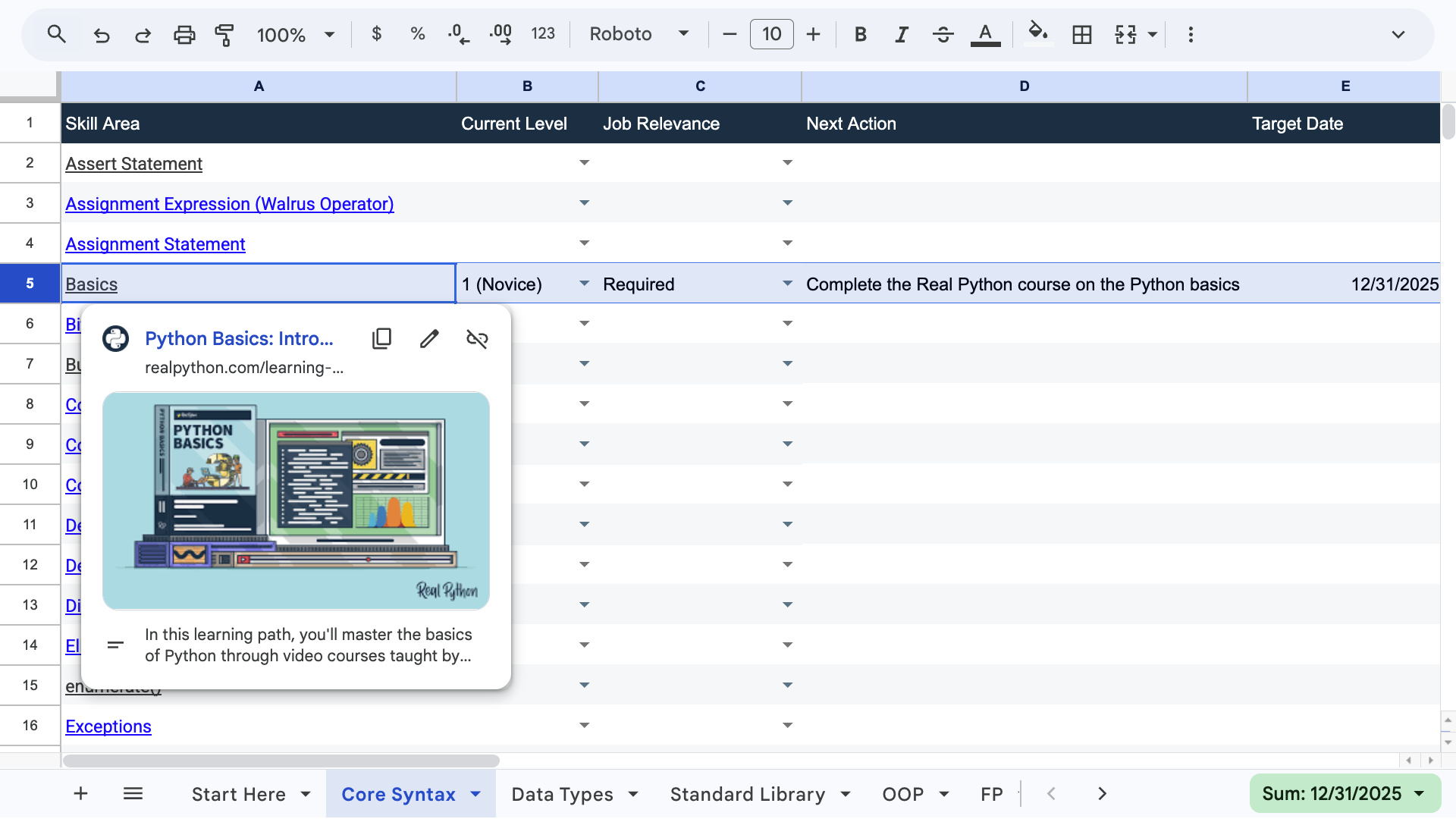
- Obtain a tailored Python developer roadmap that highlights current proficiencies and future learning goals. This roadmap will serve as your personal guide, helping you to avoid the distraction of irrelevant topics.
- Access a weekly practice plan designed to maintain momentum in skill development. Consistency is key in programming; without it, progression can stall.
The structure this course provides isn’t just beneficial; it's essential. The tech job market is incredibly competitive, and merely knowing Python isn’t enough anymore. Companies want candidates who can demonstrate their skills effectively, and that includes being able to communicate what you've learned and show how it applies to real-world problems.
A Structured Learning Path
Python is known for its accessibility to beginners, but its broad applications can lead to aimless exploration without a structured approach. That's where this course differentiates itself. Many self-taught programmers struggle to create meaningful projects because they lack a clear set of objectives. Without a definitive plan, you risk investing months in areas irrelevant to securing a developer position. Knowing what’s necessary to get hired is as important as the knowledge itself.
This course offers guidance in crafting a focused learning path aligned with market needs. You will learn how to investigate employer requirements, evaluate your strengths and weaknesses, and establish a consistent practice routine that evolves your learning from disjointed efforts into a cohesive strategy. And this is the part most people overlook: understanding the job market isn't just about knowing what skills are hot; it’s about knowing how to sell those skills.
Crafting a Detailed Plan
Instead of meandering through topics, you’ll create a detailed plan highlighting vital areas of focus. Consider this your map through the terrain of Python development. Here’s the thing: without a clear direction, you could waste time mastering obscure libraries or frameworks that won’t impress an employer. Tailoring your learning to fit job descriptions means you're studying smarter.
As you go through the course, you’ll develop strategies to effectively evaluate where your knowledge gaps lie and how to address them. You won’t just study Python; you’ll build a skill set that’s attractive to tech employers. That’s a significant difference. Think of it like tuning a car — you don’t just add shiny parts; you ensure everything works in concert to create a high-performance machine.
Implications and Future Outlook
What this means for you is clear: a targeted approach to learning is no longer optional; it's essential. As Python continues to evolve and find its place in emerging technologies like AI and machine learning, developers who've strategically built their skills will be in demand. Understanding this shift can't be overstated. Employers are not just looking for programmers; they want designers of solutions, people who can think critically and adapt.
In the next few years, expect the job market for Python developers to reflect growing trends in software development, including a need for specialists in data science and machine learning. Those embracing a structured learning path rather than a haphazard approach will not only secure positions but potentially command higher salaries.
So, if you’re working in this space, take a moment to reflect on how you’re approaching your Python education. Are you navigating your path with purpose? This course offers a solid foundation to guide that journey. Tackle this course to pinpoint the essential skills and pave your way to success in the tech industry. The road ahead might be less daunting than it looks.
[ Enhance Your Python Skills with 🐍 Python Tricks 💌 – Receive a brief Python trick directly in your inbox every few days. >> Click here for more information and examples ]