OpenCode stands out as an open-source AI coding tool designed for Python developers, enhancing their workflow directly within the terminal environment. With its ability to analyze and refactor code through conversational commands, this tool promotes efficiency and context-awareness, allowing developers to focus on refining their projects. The integration of AI into coding practices can reshape how programmers approach problem-solving, pushing development into new territories.
Interface Overview
Here’s a snapshot of OpenCode’s interface:
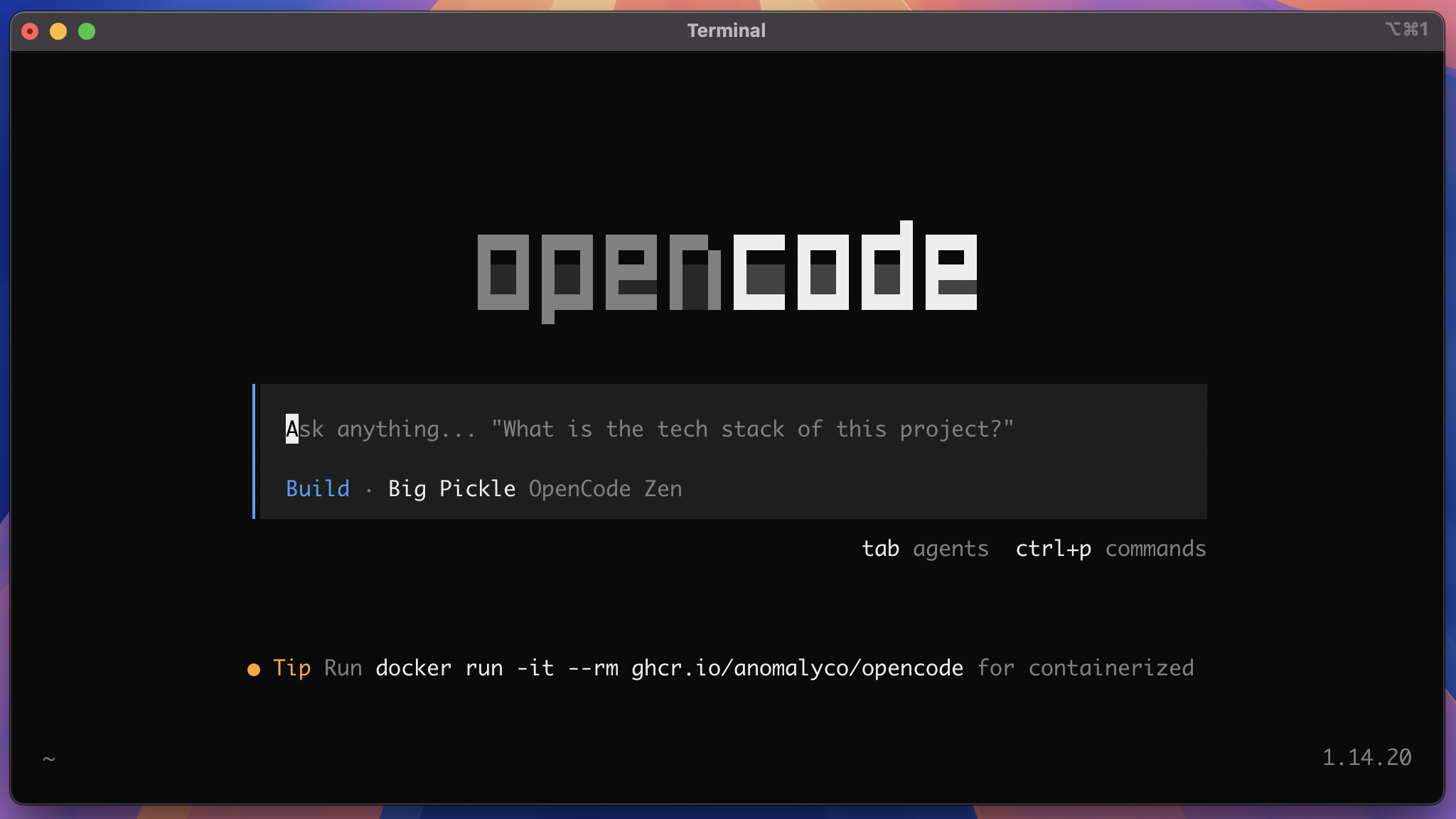
Available across more than seventy-five AI providers like Anthropic, OpenAI, and Google Gemini, OpenCode serves as a personalized assistant. Developers can query it to analyze code functions, suggest refactorings, or explain issues directly tied to their project context. The straightforward interface allows easy querying—just press Enter after typing your command to reveal contextually aware responses. Considering the rapid pace of technology, having a tool that integrates AI directly into the workflow is a meaningful step forward for many coders.
Getting Started with OpenCode
Take the Quiz: Evaluate your understanding by taking our interactive quiz on using OpenCode:
Interactive Quiz
How to Use OpenCode for AI-Assisted Python CodingTest your knowledge about installing and using OpenCode for Python by taking our quiz.
Prerequisites
Before diving into OpenCode, ensure your environment meets these requirements:
- Python version 3.11 or higher
- A modern terminal emulator
Furthermore, you’ll need an AI provider account. This guide walks through using the free Gemini API from Google AI Studio. Alternatives like Anthropic and OpenAI can also be integrated, provided you have active subscriptions. This flexibility in AI sourcing is a plus, as developers can choose platforms that best fit their needs, which adds a layer of accessibility to the tool.
The sample project utilized here involves creating a dice-rolling script, an engaging starting point for exploring refactoring processes. You can modify and observe the evolution of your code as OpenCode suggests improvements. It serves as a practical way to familiarize yourself with the tool while applying back-tested coding principles in Python. Download both the initial and refactored versions of the code linked within this guide to experiment hands-on.
Get Your Code: Click here to download the sample code for your practice.
Step 1: Install and Set Up OpenCode
Installing OpenCode does require some authentication with your chosen AI provider. Use the provided installation script for a streamlined setup process:
$ curl -fsSL https://opencode.ai/install | bash
This command detects your operating system, downloads the necessary binaries, and installs the tool for immediate use. It’s designed with usability in mind—an aspect that can’t be overlooked when you consider the diversity of developer backgrounds and preferences.
Alternatively, you can install OpenCode via Homebrew on macOS or Linux with the following command:
$ brew install anomalyco/tap/opencode
For developers utilizing Node.js, an installation through npm is also available:
$ npm install -g opencode-ai
Windows users will benefit from setting up the Windows Subsystem for Linux (WSL). You can follow Microsoft's guide to WSL installation, then run the installation commands from a WSL terminal. This ensures optimal performance by working directly within WSL's filesystem, which can often be more reliable than native Windows environments for development tools.
Implications for Developers
With OpenCode successfully installed, you’re ready to explore how this AI-assisted tool can reform your Python coding experience. Automation tools are not just novelties anymore; they can fundamentally change productivity rates in software development. If you're working in this space, understanding how tools like OpenCode can assist in real-time code refactoring and debugging can greatly enhance your workflow.
The ability of OpenCode to interact directly with the terminal allows developers to maintain their flow. No more toggling between windows or searching for the right tools in a cluttered IDE. This integration into the terminal environment could lead to a significant increase in coding speed and efficiency. But will it replace the need for a solid understanding of coding principles? It’s a valid concern. Reliance on AI could lead to surface-level understanding rather than deep expertise. It’s a double-edged sword: enhancing coding practices while risking over-reliance on assistance.
Ultimately, OpenCode’s position as a tool within the developer's arsenal is promising. But like any tool, success hinges on how well you integrate it into your processes. The future remains uncertain, but the signals clearly point to a fundamental shift in development workflows.