Transforming Cyber Defense Strategies
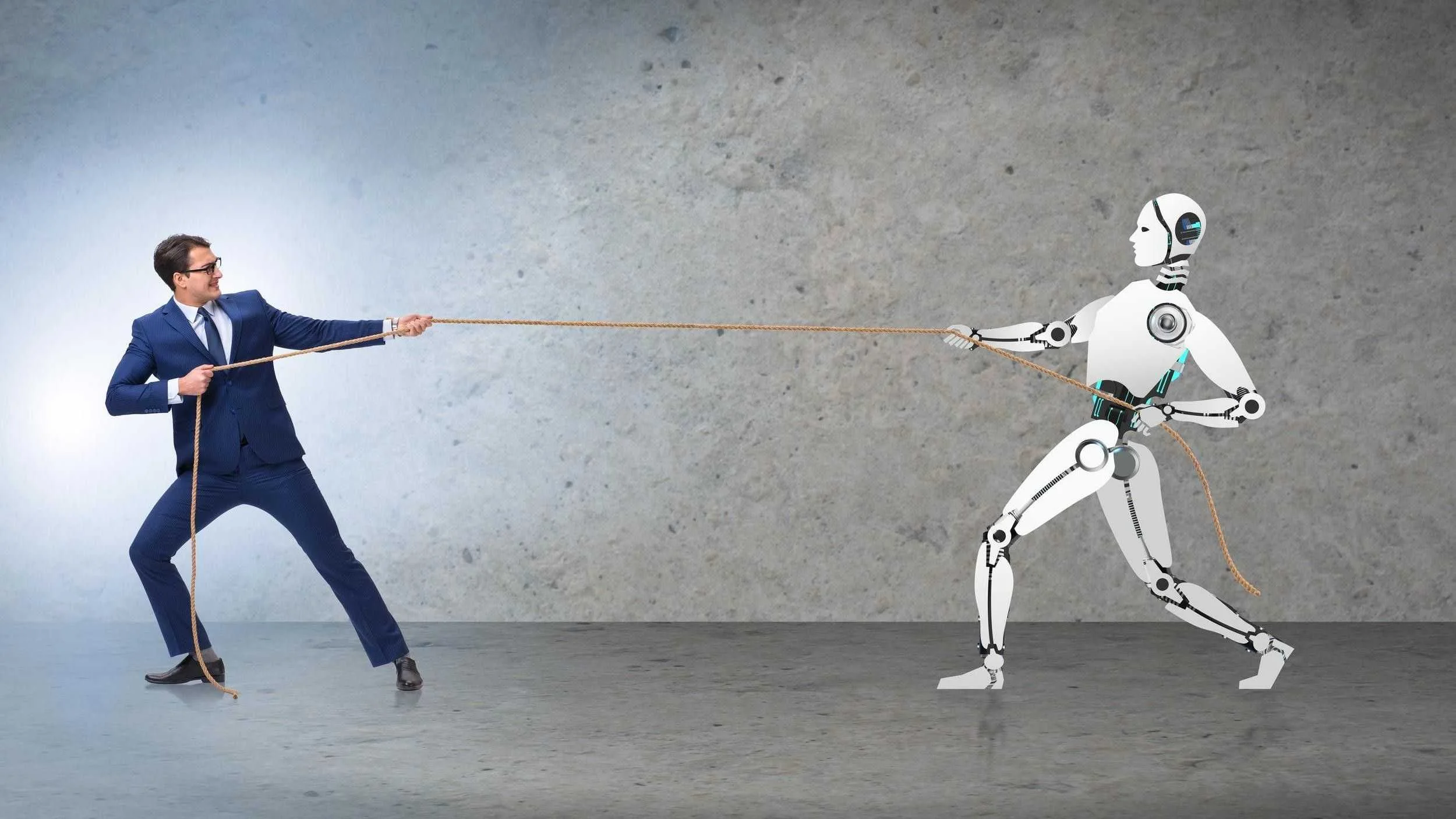
With cyber adversaries increasingly leveraging AI to automate attacks, organizations face a pressing need to rethink their defense mechanisms. Traditional responses are proving inadequate; threats evolve so rapidly that defenders often find themselves lagging behind. The solution lies not only in speed but in adopting a fundamentally new approach to security: one that anticipates and reacts alongside attackers rather than scrambling to patch vulnerabilities after the fact.
At the recent Mastercard RiskX event in Arizona, Recorded Future unveiled its autonomous defense platform, signaling a new era in how organizations can engage with cyber threats. This platform is designed to operate at machine speed, empowering security teams to proactively and effectively mitigate risks as they emerge.
A Shift from Querying to Taking Action
The landscape of AI-driven threat intelligence has leapfrogged the old model of simply providing answers. With advancements like AI Insights and Sessions, Recorded Future AI has transformed how analysts access and utilize data. The backbone of this transformation is the Intelligence Graph®, which synthesizes substantial amounts of information into actionable insights, delivering critical context in mere seconds.
This evolution has created a demand for consistent high-speed intelligence flow across all operational tools, extending beyond the confines of the Recorded Future platform. To address this, Recorded Future introduced the Model Context Protocol (MCP). This enables agents to operate across various platforms, facilitating standardized access to Recorded Future’s wealth of intelligence.
The bedrock of the autonomous defense system is its ability to transcend traditional analyst roles, empowering teams to automate ten tasks when previously they could handle only one. By doing so, the focus shifts to achieving business outcomes rather than being mired in procedural labyrinths.
Empowering Security Teams with Automated Actions
This platform introduces a transformative workflow for security analysts. Rather than posing a question to the system, teams can define strategic goals, allowing the Intelligence Graph® to autonomously determine the best course of action. This means insights are directly integrated into existing tools, eliminating mundane administrative work and enabling teams to concentrate on results.
Autonomous defense utilizes the extensive data underpinning the Intelligence Graph®, enriched by over 15 years of collected threat intelligence. Coupled with an organization’s unique context via its Private Graph, the platform is primed to act on relevant threats in real-time. When a new vulnerability surfaces, automated agents assess its significance within the specific environment, initiating timely responses.
Consider a scenario: a new high-priority threat actor emerges, or there’s a notification regarding a malicious site. The platform activates a predefined workflow, evaluating the situation by drawing on intelligence to create a proactive hunting package. This includes taking steps like verifying site ownership for potential takedowns, drafting outreach efforts, and obtaining necessary approvals. The system can execute actions including running threat hunts, blocking potential attacks, or alerting third parties to remediate issues.
While the platform defaults to fully autonomous operations to match the pace of emerging threats, organizations can opt for a human review stage if they desire. Ultimately, this capability integrates detection, analysis, and response seamlessly, making it easier for teams to function proactively rather than reactively. A trustworthy autonomous system is key, and that’s precisely where Recorded Future distinguishes itself.
Why Recorded Future's Approach Stands Out
Despite the surge in AI-driven security solutions, much of the market is perceived as overhyped. Many vendors repackage existing products as new solutions without substantial enhancements, leading to skepticism within security teams. Recorded Future aims to diverge from this trend through several core principles that enhance the efficacy of its autonomous defense.
Key Differentiators of Recorded Future's Autonomous Defense
- Dependable Intelligence Foundations: While numerous vendors can create agent infrastructures, Recorded Future excels in providing an extensive base of structured intelligence that these agents actually depend on to reason effectively.
- Comprehensive Threat Insights: The platform relies on continuous analysis from diverse sources, including input from Insikt Group analysts, ensuring that threat actor information and vulnerability statuses are accurate and traceable instead of relying on generalizations.
- Real-Time Actionability: Unlike typical agents that require polling to identify changes, Recorded Future agents receive real-time notifications from the Intelligence Graph®, allowing for prompt action and minimized response times.
- Transparent Processes: Security teams need assurances regarding the reliability of automated decisions. Recorded Future provides detailed audit trails for all outputs, offering accountability and clarity on decision-making processes.
- Integrated Outputs: Rather than ending in chat interfaces, Recorded Future’s insights flow directly into tools teams already use, creating smooth operational continuity.
Looking Ahead
With the introduction of its autonomous defense capabilities, Recorded Future believes security teams can achieve remarkable advancements in their threat response mechanisms. This includes potential threat elimination, the reduction of burden on analysts, and an expansion of protective measures.
The firm is already working on developing multi-agent systems that will allow AI agents to collaborate on intricate investigations over extended periods. Future developments aim for continuous updates on threat intelligence to occur over longer durations, enhancing operational depth. Moreover, the integration capabilities are set to deepen, ensuring that Recorded Future AI can not only disseminate intelligence but actively engage within existing security infrastructures.
This marks a pivotal moment in security defense strategies, and the excitement among Recorded Future's user base is palpable. Interested practitioners can apply for early access here, with plans for general availability of the autonomous defense component anticipated for early next year.